Choice 1: Supplemental Nutrition Assistance Program (SNAP)
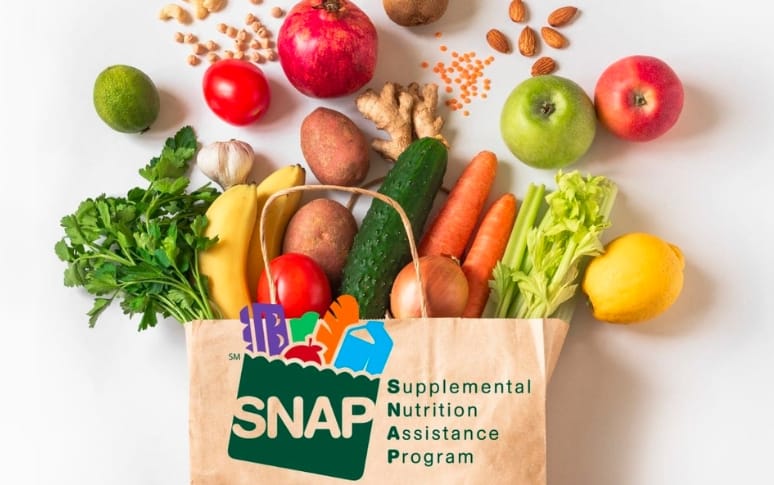
Supplemental Nutrition Assistance Program (SNAP), formerly known as Food Stamps, is a vital federal program that helps low-income individuals and families purchase groceries. Eligible participants receive an Electronic Benefit Transfer (EBT) card, which can be used to buy a wide range of food items at authorized retailers. This includes fresh produce, dairy products, meat, and more.
Can I apply for SNAP?
Applying for SNAP is a straightforward process. You can visit your state's official SNAP website or contact your local Department of Social Services or equivalent agency to begin the application. There are some key points to check if you are eligible for the program:
- The applicant must be able-bodied and between the ages of 18 and 60.
- The applicant should have or apply for a Social Security number and be either a US national, US citizen, an American Indian born in Canada or Mexico or have status as a qualified alien.
- The applicant needs to have a limited income or be close to living in poverty.
- Furthermore, individuals and families currently residing in shelters for battered women, homeless shelters, and drug or alcohol treatment centers are also eligible.
How to apply for SNAP?
To apply for the program, you can first contact your state agency that administers SNAP. Depending on your state and preference, you can apply for SNAP online, by mail, or in person. After confirming relevant requirements, you need to complete the application and submit the required documents. Some documents you might need include:
- Proof of income.
- Identification.
- Social Security numbers.
- Rent or mortgage information.
After submission, you only need to wait for a decision from your state agency. Your state agency will review your application and determine if you are eligible for SNAP. You should receive a decision within 30 days of submitting your application. If you are approved, you will receive an EBT card.

Choice 2: Special Supplemental Nutrition Program for Women, Infants, and Children (WIC)
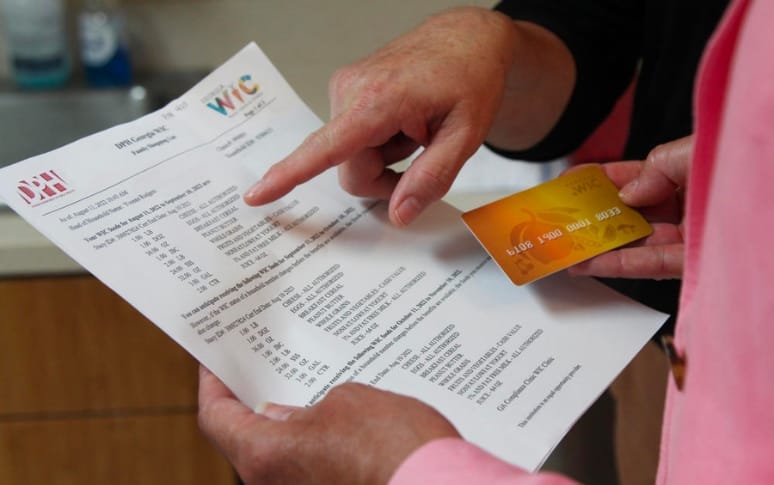
WIC is a vital federal program designed to provide essential nutritional support to pregnant, postpartum, and breastfeeding women, as well as infants and young children. Participants receive checks or vouchers that can be redeemed for specific nutritious foods, including infant formula, whole grains, fruits, vegetables, and dairy products.
Can I apply for WIC?
To find out if you are eligible for applying for WIC, you need to meet all of the following four eligibility requirements.
- Categorical requirement.
- Residential requirement.
- Income requirement.
- Nutrition risk requirement.
Categorical requirement: The applicant must belong to one of the following groups: pregnant women, breastfeeding women, postpartum women, infants, or children up to age five.
Residential requirement: The applicant must live in the state or territory where you apply for WIC. You do not need to be a U.S. citizen or have a legal status to apply.
Income requirement: The applicant's household income must be at or below 185% of the federal poverty level, or you must be enrolled in certain programs such as SNAP, Medicaid, or TANF. You can check the income guidelines for your state on the official website of the US Department of Agriculture.
Nutrition risk requirement: The applicant must have a health or dietary condition that could affect your health or the health of your child, such as anemia, low weight, high weight, or poor diet. You must be assessed by a health professional to determine your nutrition risk.
How to apply for WIC?
To apply for the assistance of WIC, you simply need to catch the following steps:
- Locate and Contact Local WIC Office.
- Schedule an Appointment and Eligibility Assessment.
- Required Documentation.
- Nutritional Assessment.
- Enrollment.
Locate and Contact Local WIC Office: Begin by finding your nearest WIC office, typically administered by state and local government health departments. You can usually find contact information on your state's official WIC website.
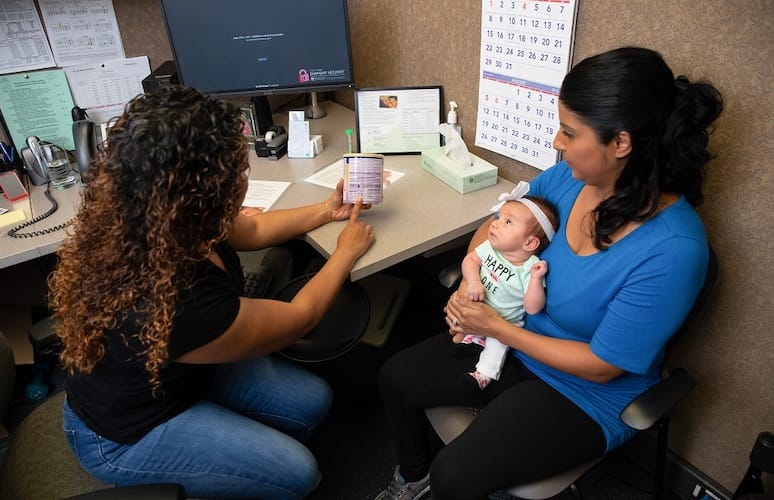
Schedule an Appointment and Eligibility Assessment: Set up an appointment with the WIC office. During your visit, WIC staff will guide you through the application process. They will also conduct an eligibility assessment, which includes documenting your income and nutritional risk.
Required Documentation: You may need to provide certain documents, such as proof of income (pay stubs, tax returns, or a letter from an employer), identification (driver's license, birth certificates, or social security cards for all family members applying), proof of address (utility bills, lease agreements, or other documents), proof of pregnancy or postpartum/breastfeeding status (a doctor's statement or medical records), etc.
Nutritional Assessment: A qualified health professional at the WIC office will conduct a nutritional assessment to determine your specific dietary needs and risks.
Enrollment: If you meet the program's eligibility criteria, you will be enrolled in the WIC program and issued checks or vouchers for purchasing approved nutritious foods.
Choice 3: Commodity Supplemental Food and Free Grocery Programs (CSFP)
Committed to improving the overall health and nutrition of recipients, the Commodity Supplemental Food and Free Grocery Programs (CSFP) are dedicated to supporting low-income individuals. In collaboration with local charitable organizations and nonprofits, the government will furnish an array of complimentary provisions and groceries to those with limited financial resources. These items may include cheese, milk, juices, cereal, dairy products, and other essential commodities.
Can I apply for CSFP?
The program specifically offers complimentary sustenance to individuals aged sixty and above, expectant mothers, and families with children up to the age of six. Notably, the program reaches a substantial number of individuals, with over 500,000 people benefiting from some form of complimentary nutritional support annually. In general, the program offers free government food commodities to the following individuals who seek assistance:
- Women and children who do not meet the eligibility criteria for the federal government's Women, Infants, and Children (WIC) or SNAP programs due to their financial or personal circumstances may qualify for assistance from CSFP.
- Senior citizens aged 60 years and above will receive complimentary food provisions, including free groceries for those enrolled in Medicare.
- Non-breastfeeding women in the postpartum period of 6-12 months may potentially be eligible.
- Families with children aged six and below may have access to complimentary food and surplus items.
- Families who are unable to qualify for other government aid programs, such as welfare, may also be eligible.

How do I apply for CSFP?
To access CSFP benefits, you can contact local distribution sites, which can include food banks, senior centers, and community organizations. When you contact these distribution sites, be prepared to provide the necessary information required for eligibility determination. This may include details related to your income, age, and household composition.

Choice 4: Senior Farmers' Market Nutrition Program (SFMNP)
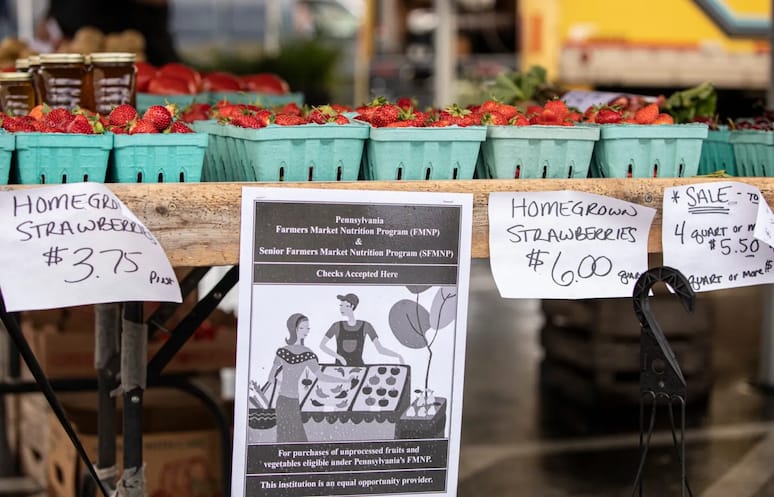
The Senior Farmers' Market Nutrition Program is dedicated to seniors aged 60 and above, offering them coupons to acquire fresh, locally grown produce at nearby farmers' markets. This initiative not only promotes healthy eating among older individuals but also provides crucial support to local farmers, strengthening communities in the process.
Can I apply for SFMNP?
SFMNP caters to senior citizens with limited income, typically referring to individuals aged 60 or above whose household income does not exceed 185 percent of the U.S. Poverty Guidelines, which are released annually by the Department of Health and Human Services. In some cases, certain state agencies accept proof of participation or enrollment in other means-tested programs, such as CSFP or SNAP, as a qualification for eligibility in the SFMNP.
How do I apply for SFMNP?
To participate in the Senior Farmers' Market Nutrition Program, you can connect with your local agency on aging, typically responsible for program administration. Details regarding the application process can be obtained from your local agency on aging.

Choice 5: The Emergency Food Assistance Program (TEFAP)
The Emergency Food Assistance Program (TEFAP) stands as a critical program in the distribution of surplus food from the federal government to local food banks, pantries, and shelters. Its primary focus is directed towards providing food assistance to seniors, children, and individuals with disabilities, ensuring that these vulnerable populations have access to nutritious meals.
Can I apply for TEFAP?
To find out if you are eligible for applying for TEFAP, you need to contact your State Distributing Agency and ask about their eligibility criteria and application process. Each state sets its own criteria for determining what households are eligible to receive food for home consumption. Income standards may vary by state, but generally they are based on the federal poverty level or participation in other federal, state, or local food, health, or welfare programs.
How do I apply for TEFAP?
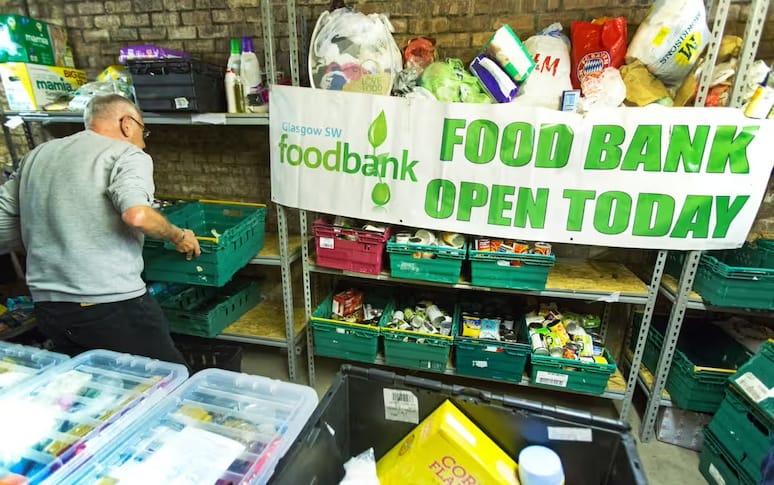
Accessing TEFAP resources usually involves connecting with local food banks or distribution centers. Individuals with low income or in need are encouraged to reach out to the following types of organizations to apply for emergency assistance through TEFAP.
- Food Pantries.
- Soup Kitchens.
- Community Action Agencies.
Food Pantries: Food pantries, which are typically non-profit or charitable organizations, play a crucial role in providing groceries, canned goods, and free food to unemployed individuals, senior citizens, and other low-income households. These pantries often source their food items and related products from regional food banks. For instance, a pantry in a town may collaborate with a food bank that covers multiple counties in the state. You can find locations of free food banks in your region by clicking here.
Soup Kitchens: Soup kitchens operate on a fixed schedule and regularly offer hot and nutritious meals to those in need within the community. Many of these locations also extend assistance to homeless individuals. Similar to food pantries, most soup kitchens receive their food supplies from the TEFAP program and local food banks. Additionally, they often organize special holiday meals during occasions such as Thanksgiving, Easter, and Christmas, providing not just food but also gifts and a caring atmosphere.
Community Action Agencies: Several Community Action Agencies are actively involved in the federal government's Emergency Food Assistance Program. These local non-profit organizations distribute surplus USDA commodities to unemployed individuals and low-income households at designated times. If a particular community action agency does not participate in the program, they usually direct individuals to alternative places for emergency food assistance.
Conclusively, these government food assistance programs serve as lifelines for individuals and families facing food insecurity. If you or someone you know requires assistance, exploring these programs and reaching out to the appropriate agencies or organizations can help ensure access to nutritious food. Remember to check your specific state's guidelines for program details and application procedures.
Was this page helpful? Give us a thumbs up!