The Current State Tax Landscape
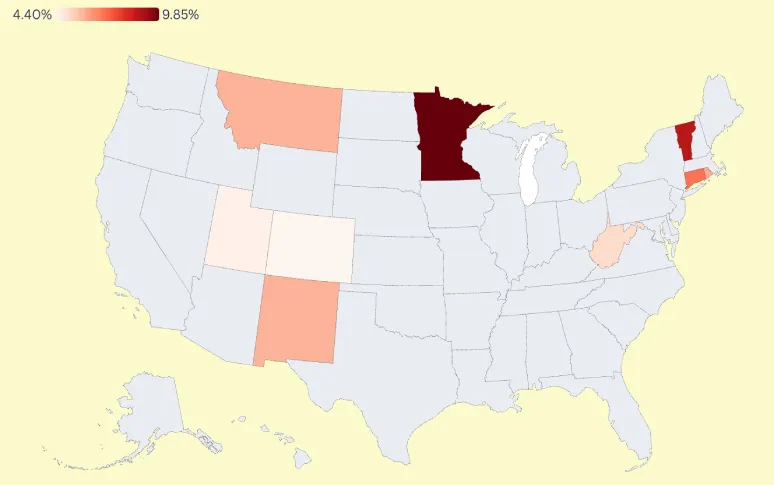
Nine states currently tax Social Security benefits in 2025: Colorado, Connecticut, Minnesota, Montana, New Mexico, Rhode Island, Utah, Vermont, and West Virginia. Each state has its unique taxation formula and exemption thresholds.
These states' tax policies can reduce your retirement income by anywhere from a few hundred to several thousand dollars annually, depending on your total income and the state's specific tax rules.
Understanding Tax Exemption Thresholds
Most taxing states offer exemptions based on age and income levels. For example, Montana and New Mexico grant complete exemptions for Social Security income if individual earnings are below $32,000 and $150,000 respectively.
The exemption thresholds work like a sliding scale - the lower your income, the more likely you are to qualify for complete exemption from state taxes on your Social Security benefits.

Recent Changes and Trends
Several states are moving towards reducing or eliminating Social Security taxation. West Virginia has announced plans to phase out their Social Security taxes by 2025, following growing pressure from retiree advocacy groups.
These changes reflect a broader national trend of states competing to attract and retain retirees by offering more favorable tax conditions.

Impact on Retirement Planning
The state taxation of Social Security benefits can significantly affect your retirement budget. For a retiree receiving $24,000 annually in Social Security benefits, state taxes could reduce their income by $500 to $2,500 per year.
This impact compounds over time, potentially costing tens of thousands of dollars throughout retirement, making it a crucial factor in choosing where to retire.

Most Tax-Friendly States for Retirees
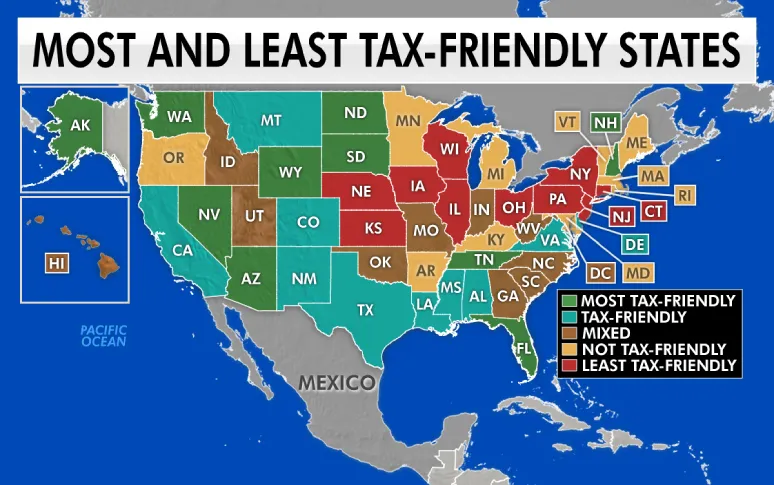
Forty-one states and the District of Columbia do not tax Social Security benefits. States like Florida, Texas, and Nevada are particularly attractive to retirees as they have no state income tax at all.
These tax-friendly states often see higher influxes of retirees, which can affect housing markets and community demographics.
Federal Taxation Considerations
While state taxation varies, federal taxation of Social Security benefits remains consistent nationwide. Understanding the interaction between state and federal taxes is crucial for comprehensive retirement planning.
The federal government may tax up to 85% of your Social Security benefits, depending on your combined income level.

Strategic Retirement Location Planning
Choosing where to retire requires balancing tax considerations with other factors like cost of living, healthcare access, and quality of life. Some high-tax states offer other benefits that might outweigh their Social Security taxation.
Consider creating a comprehensive comparison spreadsheet that includes all living expenses, not just tax implications.

Future Tax Policy Trends
Experts predict more states will move away from taxing Social Security benefits by 2030. This trend is driven by competition for retiree residents and growing awareness of retirement security issues.
States are increasingly recognizing the economic benefits of attracting retirees, who often bring stable income and contribute to local economies without straining school systems.

Was this page helpful? Give us a thumbs up!