1. Understanding the New FAFSA Landscape
The 2025-26 FAFSA form represents the biggest overhaul in 40 years. These changes affect everything from the application timeline to how your aid is calculated. This simplified approach aims to remove barriers for students while maintaining the integrity of the aid determination process.
The new Student Aid Index (SAI) replacing the old Expected Family Contribution (EFC) marks a significant shift in aid calculation. The SAI considers factors like family size and the number of family members in college differently, potentially increasing aid eligibility for many students.
2. Getting Started: Essential Preparations
- Before diving into the application, gather all necessary documents. You'll need:
- Social Security numbers for you and your parents
- Driver's license number (if applicable)
- Tax returns and W-2 forms
- Records of untaxed income
- Information about assets and investments
The FSA ID is your digital signature for all federal student aid processes. Both students and parents need separate FSA IDs, which take about 15 minutes each to create. When creating your FSA ID, use an email address you check regularly and choose security questions whose answers won't change over time.

3. Timing Your Application Strategically
Start by visiting studentaid.gov and logging in with your FSA ID. Answer each question carefully, paying special attention to questions about household size, income, and assets. If you're unsure about any question, use the help icons or tooltips provided within the form for clarification.
When listing colleges, you can add up to 20 schools that will receive your FAFSA information. Double-check all information before submitting, as errors can delay your aid. Remember to take screenshots or print a copy of your confirmation page for your records.

4. Maximizing Your Aid Eligibility
After submitting your FAFSA, schools will send aid offers detailing the types and amounts of aid you qualify for. These typically include a mix of grants, loans, and work-study opportunities. Pay attention to the total cost of attendance at each school and calculate your actual out-of-pocket costs.
Look beyond the total aid amount to understand the terms of each type of aid. For loans, note the interest rates and repayment terms. For work-study, consider how many hours you'll need to work and how this fits with your academic schedule.

5. Navigating Dependency Status
The FAFSA's dependency criteria are specific and non-negotiable. You're automatically independent if you're 24 or older, married, a veteran, have dependents you support, or are an orphan/ward of the court. Simply living on your own or being financially self-sufficient doesn't meet FAFSA criteria.
For dependent students, both biological/adoptive parents' information is required, regardless of who claims you on taxes. In cases of unusual family circumstances, like parent incarceration or abandonment, work with your school's financial aid office for guidance.

6. School Selection Strategy
Research your state's requirements carefully. Consider each school's cost of attendance, including hidden expenses like lab fees, books, and living costs. Remember that private schools often offer significant institutional aid that can make them comparable to public schools.
Create a spreadsheet comparing potential costs at each school. Include factors like distance from home (affecting travel costs), meal plan requirements, and housing options. Keep track of each school's financial aid deadlines and additional required forms.

7. Special Circumstances and Appeals
Document changes in income, medical expenses, or family situations immediately. Keep detailed records including dates, amounts, and supporting documentation. Write a clear, concise appeal letter explaining your situation and how it affects your ability to pay for college. Include specific numbers and time frames.
Each school handles appeals differently. Some have formal forms, while others want written letters. Follow up regularly but professionally. If your first appeal is denied, ask about the possibility of a secondary review. Consider seeking guidance from a financial aid consultant if your situation is complex.
8. After Submission: Next Steps and Monitoring
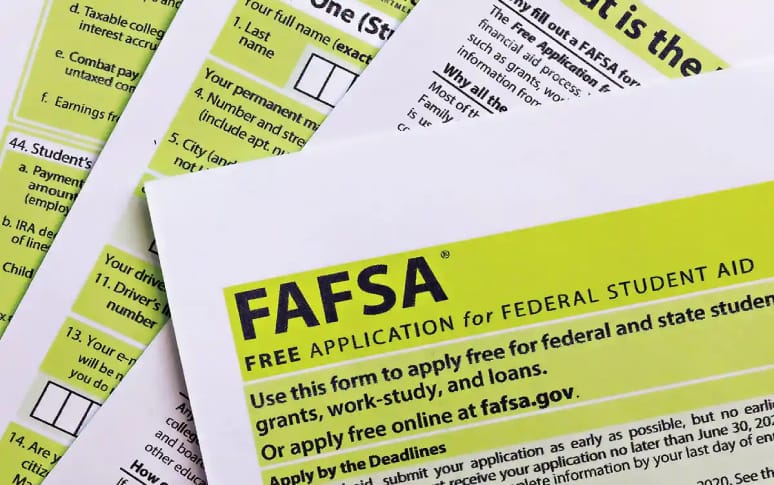
Create a tracking system for all FAFSA-related communications and maintain a record of important dates: FAFSA submission, SAR receipt, and any follow-up requests. If selected for verification, gather documents quickly - this process affects about 30% of FAFSA filers and is normal, not a sign of problems.
Check your selected schools' student portals weekly. Some schools communicate exclusively through their portals rather than email. Set up a dedicated email folder for financial aid communications. Keep copies of all submitted documents and note who you spoke with during any phone conversations.

9. Action Steps for Success
- Create a detailed timeline working backward from your earliest deadline
- Set up your FSA ID now, even if you're not ready to complete the form
- Gather all required documents before starting
- Review your Student Aid Report immediately upon receipt
- Follow up with schools about any special circumstances
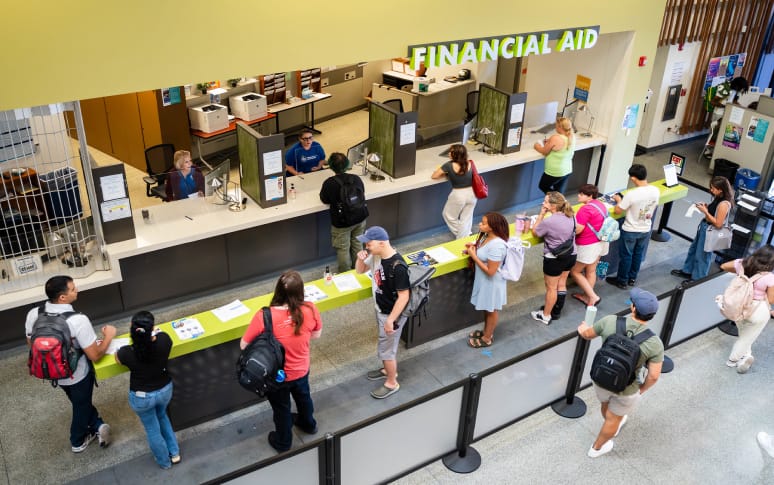
Remember, the FAFSA is your gateway to financial aid, and careful attention to detail can mean thousands of additional dollars for your education. Stay organized, meet all deadlines, and don't hesitate to seek help from financial aid offices when needed.
Was this page helpful? Give us a thumbs up!